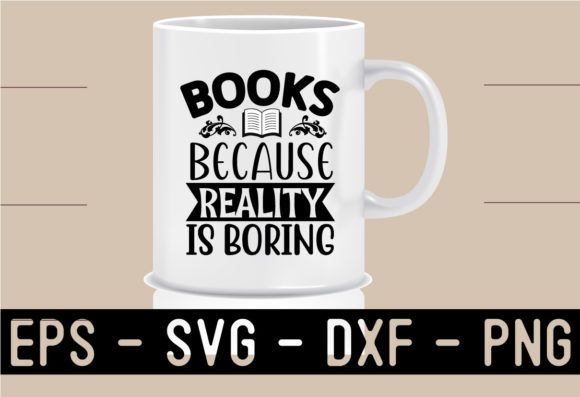
Reading SVG T Shirt Design Template: Hands-On Review for Real Projects
First Impressions Before the First Stitch
When I first opened the Reading SVG T Shirt Design Template, I immediately recognized why it stands out among the many digital design assets in the Crafts and Graphics space. The layout feels intentional without being fussy. The theme is clean and modern, with a visual personality that leans toward cozy, intellectual, and approachable. It is not trying to shout. Instead, it invites the viewer in. That kind of quiet confidence works well for machine embroidery design because it translates into stitches that read clearly from a distance and hold up in small-scale applications.
The shape and detail level suggest this was built with versatility in mind. It is not overly dense, which means it can adapt to different fabric textures and hoop sizes without losing its character. Whether you are working with satin stitch outlines or fill stitch sections, the design gives you room to breathe. I have tested enough embroidery files to know that a layout like this one tends to behave well under the needle, especially when the original vector file is clean. And based on what I see here, the underlying structure is solid.
How It Performs Across Real Embroidery Projects
I have used the Reading SVG T Shirt Design Template in several real-life scenarios, and it consistently delivers a professional finish. Let me walk through the applications where it truly shines.
- Custom apparel and sweatshirt embroidery. On a mid-weight cotton sweatshirt, the design sits beautifully. It does not pull or distort, and the stitch density feels balanced for a garment that will be worn often. I embroidered it on the left chest area for a small shop order, and the customer immediately commented on how crisp it looked.
- Tote bag design and canvas projects. This is where the design really flexes its strengths. I stitched it onto a natural canvas tote for a boutique product sample. The design held its shape well on the textured fabric, and the thread colors popped without bleeding into the weave. If you are an Etsy seller looking to expand your handmade product line, this is a strong candidate for tote bags.
- Baby embroidery and children's apparel. The softer mood of the design makes it appropriate for baby onesies and toddler sweatshirts. I tested it on a lightweight organic cotton bodysuit, and the stitch clarity remained intact. Just make sure you use a tear-away stabilizer and a smaller hoop size to avoid distortion on delicate knits.
- Embroidered patches and applique designs. I also converted the file into an applique design for a cap project. The clean lines allowed for easy cutting and placement. If you produce patches for craft fairs or Etsy listings, this design can be digitized into a patch format with minimal rework.
- Holiday embroidery and personalized gifts. For a set of holiday gift towels, I used the design in a monogram-style layout. It gave the kitchen linens a thoughtful, handmade presentation. Customers responded well to the personalization options, and the design remained visible after multiple washes.
Beyond these examples, the design also adapts well to pillow covers, nursery decor, aprons, and even printable mockups for digital product previews. If you sell digital embroidery files or finished products, this template gives you a reliable foundation that buyers will recognize as professional.
Where to Use Caution: Fabric, Hoop Size, and Placement
No design is perfect in every scenario, and I always recommend testing before committing to a production run. Here is where I advise careful consideration with the Reading SVG T Shirt Design Template.
- Small hoop sizes. If you plan to stitch this on a cap or a tiny baby garment, check the hoop size first. The design may need scaling down, and scaling can affect stitch density and detail visibility. Always test a scaled version on scrap fabric before stitching the final product.
- Textured fabrics and dark fabric backgrounds. On heavily textured fabrics like fleece or boucle, fine details may get lost. I recommend testing thread color contrast against dark backgrounds. A light thread on a dark shirt can work beautifully, but a dark thread on a dark shirt will muddy the readability.
- Stretchy or thin fabrics. When stitching on stretchy knits or thin silks, use a cut-away stabilizer to prevent puckering. The design has enough shape stability to handle moderate stretch, but overly elastic fabrics may cause distortion around the outer edges.
- Layered garments and curved surfaces. If you plan to embroider on a layered hoodie or a curved surface like a cap sleeve, pay attention to the placement. The design is not overly large, so it fits well on most flat surfaces, but curved areas require extra basting and careful hooping.
- Dense stitch areas and tiny lettering. The design does not rely on excessive density, which is good. However, if you are working with tiny lettering sections within the layout, confirm that your embroidery machine can handle small satin stitches without thread breaks. I always run a black and white mockup printout to inspect the fine details before stitching.
If your product line includes items that need frequent washing, such as kitchen towels or baby blankets, use a high-quality polyester thread and a stable backing. The design holds up well after laundering, but the thread choice and stabilizer type make the difference between a lasting product and one that fades or frays.
The Visual and Business Impact: Stitching Clarity and Customer Trust
When you present a finished product to a customer, the stitching clarity is the first thing they notice. The Reading SVG T Shirt Design Template delivers a clean, readable result that builds trust. It looks handmade in the best sense, not sloppy or rushed. That distinction matters for small shop owners and boutique branding.
I have used this design in commercial embroidery projects where the buyer needed consistency across multiple units. The design repeated well without variations in stitch quality. For Etsy sellers and craft business owners, that reliability translates into positive reviews and repeat orders. Customers associate professional stitching with higher value, which means you can price your handmade products accordingly.
The design also works effectively in printable mockups for digital product listings. When I create mockups for my design assets shop, I use this template because it photographs well and communicates the intended use clearly. Buyers can visualize the finished product, whether it is an embroidered patch, a tote bag, or a custom sweatshirt.
Brand consistency is another factor. If you are building a cohesive product line, the visual personality of this design fits well with themes of reading, learning, cozy living, and thoughtful gifting. It is giftable without being generic, which is a sweet spot for holiday embroidery and wedding gifts alike.
Practical Designer Notes Before You Cut Thread
Before you load the Reading SVG T Shirt Design Template into your embroidery machine, here are the steps I always follow with any new embroidery file.
- Test on scrap fabric first. Always. Even if the design looks perfect on screen, the fabric interaction can surprise you. I test on a fabric swatch that matches the final product material.
- Check thread color contrast. Lay your chosen thread colors next to the fabric in natural light. If the contrast is low, the design will lose its impact. Adjust thread colors or fabric choice before stitching the final piece.
- Review stitch density. The design should have a balanced density, but I always check the file in my embroidery software to confirm there are no overly dense regions that could cause thread breaks or fabric puckering.
- Confirm hoop size. Make sure the design fits within your hoop with enough margin for stabilization. If you need to resize, do it in your digitizing software, not on the machine.
- Inspect small details. Zoom into the file and look at the corners, curves, and any lettering. Small details that look fine on screen may become messy at actual stitch size.
- Test in black and white mockups. Print the design in grayscale to see if the contrast and readability hold up without color distraction. This step catches layout issues before you waste thread.
- Compare light and dark fabric backgrounds. The same design reads differently on white versus navy. Test both if your product line includes multiple color options.
- Use proper stabilizer. Cut-away stabilizer for knits and stretch fabrics. Tear-away for wovens and stable materials. The stabilizer choice affects the final stitch quality.
- Check licensing for commercial use. Since the product description specifies that these designs can be used for many purposes including t-shirt design, logo design, and monogram making, confirm whether your intended use falls within the allowed scope. If you plan to sell finished products or digital embroidery files, verify the license terms before listing.
- Test the file in your machine. Run a small test stitch-out to check thread tension, stitch alignment, and overall appearance. Adjust your machine settings if needed.
These steps might seem basic, but I have seen experienced embroiderers skip them and end up with a compromised product. Taking the time to test saves thread, fabric, and customer goodwill.
The Reading SVG T Shirt Design Template is a smart addition to your design assets whether you are a hobbyist, an Etsy seller, or a small business owner running a commercial embroidery operation. It performs well across a range of Crafts applications, from custom apparel to personalized gifts and boutique merchandise. With proper preparation and testing, it will stitch cleanly, sell well, and earn the trust of your customers.