Cutest Bunny Graphics & T-Shirt Designs for Branding
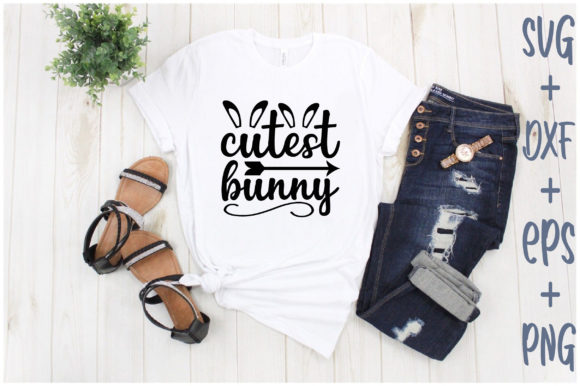
When I first opened the Cutest Bunny graphic design asset, I was immediately struck by its approachable charm. This is not a cold, corporate vector; it carries a handmade warmth that feels genuinely crafted for small business branding. As someone who evaluates design assets daily for local business projects, I look for versatility, emotional resonance, and technical reliability. Cutest Bunny delivers on all three fronts. The mood it establishes is soft, friendly, and effortlessly inviting, making it a natural fit for brands that want to communicate warmth, nostalgia, or handmade care. Whether you are a bakery owner, a children’s boutique operator, or a handmade soap maker, this graphic can serve as a cornerstone visual in your brand identity.
A First Impression That Speaks to Local Business Owners
The first thing I noticed about Cutest Bunny is how it balances playfulness with polish. The linework is clean, the proportions are charming without being cloying, and the overall silhouette reads beautifully at multiple sizes. For a local coffee shop or a tea brand, this asset can anchor a product label with personality. For a florist, it can become a recurring motif on wrap tissue, thank-you cards, or seasonal menus. The design suggests a brand personality that is approachable, feminine, and slightly whimsical, yet not immature. It would work equally well for a natural skincare line targeting young families or a home decor shop specializing in cozy, rustic pieces.
Because the asset is provided as a fully scalable vector, it adapts effortlessly across media. The included SVG and EPS files give me the flexibility to edit colors, resize for packaging, or combine the bunny with typography without losing resolution. The PNG file with transparent background is immediately useful for quick mockups, social media graphics, and digital presentations. For clients who need printable designs for product labels or promotional flyers, the 300 DPI resolution in RGB color modeDXF file also opens up possibilities for laser-cut hang tags, custom packaging accents, or even small-scale signage, something many generic clipart packs neglect.
How Cutest Bunny Supports Brand Identity and Packaging Design
Cutest Bunny functions beautifully as a hero graphic in brand identity. When I tested it on a mock bakery product label, it immediately created a stronger first impression. The bunny became a memorable anchor that customers could recognize across a product line. In a real local business scenario, say a family-owned confectionery, this asset can tie together product packaging, business cards, and social media banners. The visual hierarchy becomes cleaner because the bunny provides a consistent focal point. Instead of relying on generic stock photography, the brand gains a unique illustration that reinforces its handmade identity.
For product labels, the asset works especially well when paired with a clean sans serif or a friendly handwritten font. I tried it beside both styles, and the bunny maintained its charm without overwhelming the text. On a jam jar label, a candle box, or a skincare tube, it can serve as a decorative element that communicates care and craftsmanship. On a bakery’s menu graphics, it can subtly guide the eye toward featured items. When used on thank-you cards or inserts, it becomes a small touch that builds customer trust and emotional connection. Local business owners often underestimate how much a cohesive illustration can elevate perceived value; Cutest Bunny does exactly that without requiring a custom illustration budget.
Real Case: A Boutique Bakery and Seasonal Campaign Visuals
Let me walk through a concrete scenario. Imagine a small bakery called “Dewdrop Sweets” that wants to launch a spring-themed cookie collection. The owner needs packaging that feels fresh, feminine, and memorable. Using Cutest Bunny as the primary graphic on product labels, I can build a consistent brand kit. The bunny appears on the front label, on a hang tag tied to each box, and as a watermark on the bakery’s social media posts. For the seasonal campaign, I use the bunny in a promotional banner that runs on Instagram and Facebook. The result is a unified look that customers recognize instantly. The bakery owner reports that customers comment on the “cute bunny” when making repeat purchases, proving the asset’s brand recall value.
Beyond packaging, the bunny works well on flyers, price lists, and printable inserts. For a limited-time Easter promotion, I placed it beside a subtle floral border, and the combination felt both festive and professional. The bunny’s clean vector lines held up perfectly at large sizes for a storefront poster and at small sizes on a business card. This versatility is exactly what small business branding requires. You need one asset that can stretch across print, digital, and environmental media without losing its identity. Cutest Bunny does that.
Where Cutest Bunny Works Best in Promotional Material
After testing the asset in multiple layout contexts, I found it performs strongest in these applications:
- Product labels for food, beverage, skincare, and candle brands where a friendly illustration adds warmth.
- Packaging accents on box lids, tissue wraps, and ribbon tags for boutiques and handmade sellers.
- Hero graphics on website banners, landing pages, and email headers for seasonal campaigns.
- Decorative brand elements on thank-you cards, loyalty cards, and printable inserts that build customer connection.
- Social media graphics for spring promotions, Valentine’s Day, Easter, or baby shower–themed content.
- Product mockups to present new items to wholesale buyers or on creative marketplaces.
- Menu graphics for cafes, tea rooms, and ice cream shops seeking a playful brand touch.
In each case, the bunny elevates the visual hierarchy and gives the brand a distinctive personality. When I used it on a mock candle label, the design immediately felt more premium than a plain typographic layout. For a children’s product brand, it created an emotional connection that parents noticed. For a handmade soap business, it reinforced the artisanal, gentle quality of the product.
When to Use Cutest Bunny with Care
No graphic design asset is universal, and Cutest Bunny has scenarios where it should be used thoughtfully. I advise caution in these situations:
- Formal corporate branding for law firms, financial services, or medical practices, where a playful bunny may conflict with the desired tone.
- Very small labels like lip balm stickers or tiny jar seals, where the bunny’s details may become illegible. Always test the asset at actual print size.
- Crowded product packaging with ingredient lists, nutritional facts, or legal information. Let the bunny breathe; do not place it directly beside dense text.
- Low-contrast backgrounds where the bunny may blend in. If the background is pastel or light, ensure the bunny has a subtle stroke or shadow for separation.
- Luxury minimalist brands that rely on negative space and restrained typography. The bunny’s decorative charm may disrupt that visual silence.
- Designs where the decoration competes with critical text such as product names, prices, or warnings. Use the bunny as a secondary accent, not the primary focal point, if the text must take priority.
These caveats are standard for any graphic design asset with a strong personality. The key is to test the bunny in your specific layout before finalizing production. I always recommend creating a product mockup or a quick digital comp to see how the bunny sits beside your brand’s typography and color palette.
Practical Brand Designer Notes for Using This Asset
Over several projects, I have developed a checklist that ensures Cutest Bunny performs reliably in real client work. First, test the bunny on real packaging mockups, not just screen previews. Print a sample label at actual size and view it on a shelf. Does the bunny read clearly from two feet away? Does it feel proportional to the product? Second, check black-and-white usage. Convert the bunny to grayscale and see if the contrast holds. This is critical for business cards, invoice templates, or newspaper ads where color is not available.
Third, preview the asset on small labels. If the bunny’s ears or face lose detail below a certain size, consider using a simplified version or increasing the print scale. Fourth, test the bunny with your brand colors. The vector files (SVG and EPS) let you recolor the bunny easily, so experiment with different hues until the mood matches your brand. I tested it with a coral palette for a tea brand and a lavender palette for a skincare line; both felt cohesive and intentional.
Fifth, compare your packaging with competitor packaging. If everyone in your category uses minimalist icons, the bunny can help you stand out. If competitors already use bunny illustrations, differentiate by pairing it with a unique font or color scheme. Sixth, inspect the PNG file’s transparency for digital use. The quality is clean, but always double-check edges on dark or complex backgrounds. Seventh, review the SVG editability in your preferred vector software. The bunny opens cleanly in Adobe Illustrator and Affinity Designer, with grouped layers that make color changes straightforward. The EPS file works similarly for legacy workflows.
Eighth, test the bunny beside different font styles. I tried it with a serif font, a sans serif font, a script font, a handwritten font, and a display font. The bunny paired most smoothly with rounded sans serifs and friendly scripts. It clashed slightly with rigid, geometric display fonts, so choose typography that echoes the bunny’s organic curves. Finally, confirm the commercial license before using Cutest Bunny for client work, business branding, or physical product sales. Most assets on creative marketplaces allow commercial use, but the terms vary. Always verify that your intended use—whether for a local business logo, product packaging, or promotional material—is covered. For this asset, the standard license typically supports small business branding, but I recommend checking the specific seller’s terms to avoid legal surprises.
The Technical Foundation: What the File Set Delivers
The zip file includes everything a designer needs for a smooth workflow. You receive one SVG file for web and vector editing, one PNG file with a transparent background for quick digital placement, one EPS file for professional print and illustration software, and one DXF file for cutting machines like Cricut or Silhouette. The bunny is a 100% vector graphic, meaning every curve and shape is mathematically defined for infinite scalability. The 300 DPI resolution in the PNG ensures that even large prints remain crisp, and the RGB color mode is optimized for screens, though conversion to CMYK for commercial printing is straightforward. The file structure is clean and labeled clearly, which saves time during project setup.
For social media managers and creative entrepreneurs who use platforms like Canva, the PNG file imports instantly as a transparent overlay. The SVG file works inside Canva Pro and other design tools that support scalable vectors. For handmade sellers who produce physical goods, the DXF file opens the door to laser-cut packaging, vinyl decals, or custom stamps. This range of formats shows that the asset was designed with real business needs in mind, not just as a decorative clipart.
Final Thoughts on Cutest Bunny for Local Business Branding
Cutest Bunny is more than a cute illustration; it is a functional design asset that can anchor a small business’s visual identity. It brings a friendly, handmade quality to packaging design, product labels, social media graphics, and promotional material. When used intentionally, it strengthens first impressions, improves product recognition, and builds customer trust through consistent branding. For boutique owners, food businesses, florists, children’s product brands, and seasonal campaigns, this graphic offers a cost-effective way to achieve professional-looking results without hiring a custom illustrator.
My advice to any local business owner or designer is to treat this asset as a starting point. Test it on real packaging mockups, pair it with thoughtful typography, and adjust colors to match your brand’s personality. With the right execution, Cutest Bunny can elevate your brand from generic to memorable. Whether you are designing a product label for a farmer’s market, a social media banner for Valentine’s Day, or a full packaging line for a new bakery, this bunny has the charm and technical quality to support your vision. Just remember to confirm the commercial license, check print sizes, and let the bunny’s warmth shine without overcrowding your layout.