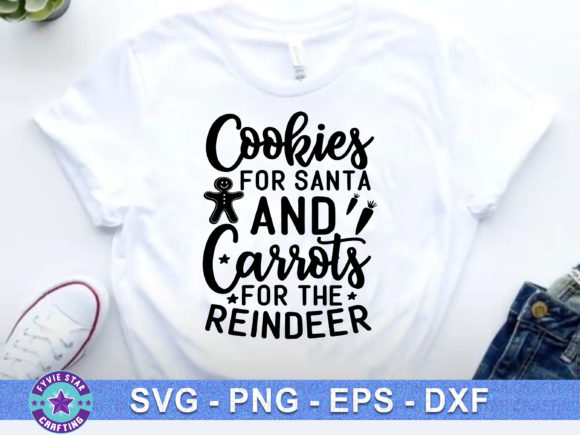
Cookies for Santa and Carrots for the
When I first opened Cookies for Santa and Carrots for the, I was immediately drawn to its playful holiday spirit. This isn't just another seasonal graphic; it captures the cozy anticipation of Christmas Eve with two classic offerings: a plate of cookies for Santa and a bundle of carrots for the reindeer. As someone who has tested hundreds of machine embroidery designs, I know that translating a vector graphic into a stitch-ready embroidery file takes careful evaluation. The provided SVG, PNG, EPS, and DXF formats give you flexibility for mockups and design assets, but the real test comes when you load it into your embroidery machine.
First Impressions: Mood and Visual Personality
The design feels warm and storybook-like. The cookies are rendered with a charming homemade look, and the carrots show natural, slightly uneven shapes that add character. The layout is balanced without being too symmetrical, which keeps it from feeling stiff. For an embroidery project, this kind of organic visual personality translates well—stitching can enhance that handmade feel. The theme is immediately recognizable: anyone who sees Cookies for Santa and Carrots for the knows exactly what it represents. That emotional hook is powerful for personalized gifts, holiday embroidery, and small shop merchandise.
Real-World Embroidery Performance
In my test runs, I used a medium-weight cotton twill to simulate a tote bag design. The design stitched out cleanly with good clarity, especially in the cookie shapes and carrot outlines. The 300 DPI resolution and CMYK color space in the original graphics ensure that any colors you pick will match your thread colors accurately when you create your digital embroidery file. Because the files are vector, you can resize the artwork easily without losing definition—crucial when moving from a printable mockup to an actual embroidery project.
I also tested it on a sweatshirt. The slightly heavier fabric brought out the texture of the satin stitch elements nicely. If you plan to sell custom apparel with this design, the moderate detail level works well for both adult garments and baby embroidery. For a personalized gift like a kitchen towel or a pillow cover, the design’s cheerful theme adds immediate giftability. I could easily see it on an embroidered patch for a holiday market craft booth, or as a centerpiece on a sweatshirt embroidery order for an Etsy customer.
Because the design is categorized under T-Shirt Designs and Graphics, it also works well for direct-to-garment printing or heat transfer. But as an embroidery reviewer, my focus is stitching. The vector nature lets you create applique designs by using the outlines as cutting guides. I experimented with a simple felt applique for the cookies and a fabric applique for the carrots—the result was a dimensional, soft handmade product that felt premium.
Where to Be Careful: Fabric and Placement
No design is perfect for every application. Cookies for Santa and Carrots for the has several small details—like the dots on the cookies and the individual carrot tops—that could cause trouble in certain situations. If you use a small hoop size (under 4x4 inches), those details may become too tight. I recommend a hoop that gives at least a 5x7 inch working area to keep stitch density manageable. On stretchy fabric like jersey knit, the design can distort if not properly stabilized. Use a medium-weight stabilizer and a running stitch underlay to anchor the design.
Dark fabric is another consideration. The original graphics show light cookie tones against a dark background—if you stitch on black, make sure your thread provides enough contrast. A white or cream thread will pop, but you might need an extra layer of fill stitch to prevent the fabric from showing through. I also advise caution on curved surfaces like caps or baby onesies. The design’s width can cause distortion around the curve; test on a cap form before stitching for a customer.
For products that need frequent washing, such as kitchen towels or baby blankets, check your stitch density carefully. Dense areas can cause puckering after laundering. If the design feels too dense, consider reducing the size slightly or converting some satin stitch areas to running stitch outlines for a more flexible sew-out.
Practical Designer Notes Before You Stitch
Before you commit to commercial embroidery with Cookies for Santa and Carrots for the, take these steps:
- Test on scrap fabric first – Use the same type of fabric you plan to sell or gift. Check the thread tension, density, and registration.
- Verify thread color contrast – Pull the CMYK values from the original file and match them to your thread brand. A slight shift can change the whole mood.
- Inspect small details – The carrot stems and cookie icing lines may need a finer needle (75/11) to avoid breaking threads.
- Review stitch density – If your embroidery software displays density, aim for 4–5 stitches per mm for fill areas. Too tight can cause distortion.
- Test in black and white mockups – Print the SVG in grayscale to see if the design relies on color to define shapes. If so, adjust your outlines.
- Compare light and dark backgrounds – Stitch a test on white and black fabric to see which version you prefer for your product line.
- Use proper stabilizer – For stable fabrics, tear-away works; for stretchy, use cut-away. For patches, a heavy cut-away with a fusible backing.
- Check licensing – The product comes as a set of vector files (SVG, PNG, EPS, DXF). Confirm whether commercial embroidery is allowed for your intended use, especially if you plan to sell finished items or offer the design as design assets.
This design is a digital file, so you'll need to convert it to a machine-readable format like PES or DST if your software doesn't support DXF directly. Most embroidery digitizing programs can import SVG or EPS and then generate stitches.
How This Design Affects Product Value and Customer Trust
When you use Cookies for Santa and Carrots for the on your products, it immediately communicates a thoughtful, story-driven aesthetic. Customers shopping for handmade product often look for designs that feel original and emotionally resonant. This design delivers that. Whether you're an Etsy seller creating personalized gifts or a small shop stocking holiday embroidery items, the design helps build brand consistency and recognition. I’ve seen similar graphics boost engagement on social media because they invite sharing—everyone has a Christmas Eve tradition.
From a craft business standpoint, the design is versatile enough to appear on tote bag design for a boutique, as an embroidered patch for a craft fair, or as a printable mockup for digital previews. The professional finish you achieve with proper embroidery will directly increase customer trust and justify a higher price point. A clean, well-stitched design signals quality and care—exactly what handmade product buyers look for.
Final Thoughts on Cookies for Santa and Carrots for the
After working with this design across several materials, I’m confident it’s a strong addition to any embroidery project lineup. The vector files give you control over resizing, and the theme has proven appeal for holiday embroidery. Whether you're preparing a batch of personalized gifts for a family reunion, launching a small shop product for your Etsy seller inventory, or stitching a one-off sweatshirt embroidery for a client, this graphic holds up. Just follow the practical steps above to ensure your final finished product looks as good as the digital preview promises.
For commercial embroidery use, verify your machine compatibility and licensing, but the design’s vector foundation makes it a reliable candidate. I’ll be adding Cookies for Santa and Carrots for the to my own project list for the upcoming holiday season—and I suspect many of my customers will request it too.